
Is your estate plan secure? This article explores all the considerations you need to make to ensure your assets and property are protected… Many of us work our whole lives to build a legacy that can be passed down for generations to come. We all want our loved ones to thrive – both now and in the future. So, what can we do to ensure our assets and property are safeguarded and managed in accordance with our wishes? By taking calculated and proactive steps alongside the guidance of a trusted…Read More

Like other important life tasks, your estate plan deserves your continued time and attention. We recommend that you work with us to review it every three to five years (or more frequently, depending on your circumstances). Think of it as your estate plan’s preventive check-up, and remember: prevention is the best cure. A routine preventive check-up is not necessarily the only time we see a doctor. Similarly, a preventive planning meeting is not the only time to consider your estate plan. The occurrence of special life events may also mean…Read More

Digital assets are a category of commonly overlooked assets that play a crucial role in your estate plan and the legacy you leave behind at your death. It is all right if you did not consider these items when you first created your will or trust; such a mistake is surprisingly common and, luckily, easy to correct. What are digital assets? They include all of the following: your digital photos and videos saved on your phone, in the cloud, or on an external hard drive files (such as emails, financial…Read More

If you are part of the sandwich generation—caring for both your children and your parents at the same time—it is crucial that you know whether or not your parents have an existing estate plan. While the final decisions within their estate plan rest with them, creating a comprehensive estate plan is an absolute necessity, regardless of when it is done. The thought of speaking with your parents about important and often sensitive topics like their finances and estate planning probably makes you want to run as fast as you can…Read More
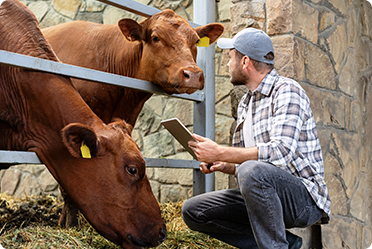
A brand isn’t just a logo on an animal; it is a legal identifier, and in Idaho, it carries significant weight. Brand laws are rooted in history. In the early days of the American West, cattle rustling was one of the most common and costly threats ranchers faced. Livestock often roamed freely across vast open ranges with little to no fencing, and rustlers could easily attempt to claim unmarked animals as their own. A unique, recorded brand became the primary method of proving ownership in disputes and criminal prosecutions. Today,…Read More

In Idaho, livestock, equipment, and land aren’t merely assets on a balance sheet. They are living, breathing symbols of a rancher’s legacy, representing not only financial value but also decades of hard work, stewardship, and tradition. To an outsider, a herd of cattle may look like just another form of property, but for the ranching family, those animals embody years of selective breeding, daily labor, and the hope of passing something meaningful to the next generation. A ranch without livestock, or a farm without crops, is like a home without…Read More

Livestock Isn’t Just Property, It’s the Heart of an Operation In Idaho, livestock, equipment and land aren’t merely assets. They are symbols of a rancher’s legacy. Fortunately, Idaho law recognizes the importance of ranching and agriculture, and our legislature has provided protection for farmers and ranchers in some interesting ways. Over the years, the state has enacted numerous statutes to protect farmers and ranchers. From open-range laws to statutory immunity for equine activities, Idaho’s legal framework is built with the clear intent to uphold and defend a way of life.…Read More

It All Starts with a Plan For ranchers and farmers who want their land to remain in the family, the first and most important step is simple: take action, and take it early. Start by working with an attorney who truly understands the unique issues facing agricultural families. But first, realize that not all lawyers do. You need someone who knows the ins and outs of property rights, water rights, grazing and timber contracts, branding laws, and the cultural importance of preserving land that’s been in a family for generations. Creating a…Read More
Choosing The Right Foundation Every farm or ranch is a business at its core. And like any business, it needs the right legal foundation to survive threats, whether internal or external. Fortunately, agricultural operations have access to the full suite of business structures available to other industries. Limited Liability Companies (LLCs), corporations, trusts, and partnerships are all tools we routinely use to help clients protect their land, equipment, and operations. For anyone navigating these decisions, getting tailored, farm business structure legal advice is essential, not just to choose the right…Read More


